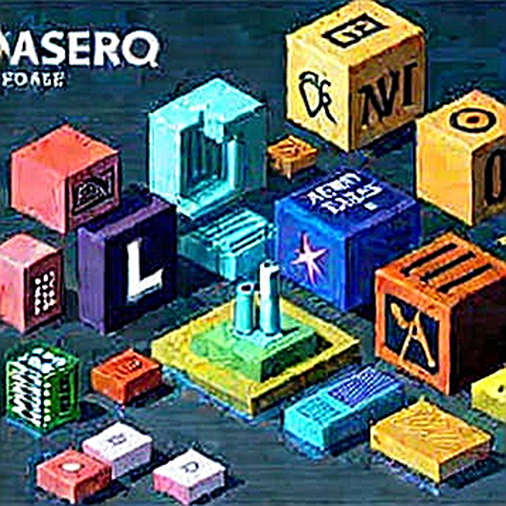
Nvidia finally launched 'cards' today. Not GPUs. Not AI chips. Not even NFTs. Physical trading cards. Paper rectangles with shiny foil. The same company that fueled the crypto mining boom and the NFT minting frenzy is now shipping cardboard.
Let that sink in. We're in a sideways market. Choppy conditions. Everyone's hunting for the next signal. And here's the largest GPU maker on earth, worth $2 trillion, betting that a set of free, analog collectibles distributed via sweeps at QuakeCon and Gamescom will drive brand loyalty.
Chasing the white whale in the 2017 ether rush — that's what this feels like in reverse. Back then, we scraped whitepapers for utility tokens. Now, Nvidia is scraping the bottom of the nostalgia barrel.
I've been watching this space for 15 years. I audited Uniswap v2 during DeFi Summer. I manually minted Punks in 2021, tracking gas wars on Etherscan. I saw the Terra Luna death spiral 30 minutes before headlines. And now, I'm watching the company that once commanded $15,000 per GPU for mining rigs pivot to... trading cards.
Here's the hook: The card set includes iconic series like GeForce 256, RTX 3080, and tech demos from the early 2000s. But there's zero blockchain integration. No digital twin. No on-chain provenance. Just paper. Printed in limited quantities. Distributed through a lottery on their 'Summer of RTX' portal.
Context: Why now? The crypto market is in consolidation. Sideways action. Volatility is just noise until it becomes signal. Hardware sales have slowed post-pandemic. Mining demand collapsed after the merge. Nvidia needs to keep the GeForce brand top of mind without spending billions on R&D for a new architecture. So they print cards. It's a marketing stunt, designed to generate social media buzz and maybe drive some GPU sales through bundling.

But here's the core insight: Nvidia could have turned these cards into an on-chain collectible ecosystem. They have the technical chops. They own the GPU infrastructure. They watched the NFT market explode and contract between 2021 and 2024. They saw digital art sell for millions, then crash to near zero. And they chose paper.
Minting ghosts at light speed — that's what we called the NFT mints of 2021. Ghosts because most projects had no utility. Ghosts because liquidity vanished faster than it appeared. Nvidia was there, selling the shovels. Now they're selling the dirt itself.
Let me break down the economics: The cards are free. No direct revenue. Indirectly, Nvidia hopes you'll enter their ecosystem, register an account, maybe buy a GPU. But the COGS here includes printing, logistics, event staffing, and marketing. For a $2 trillion company, this is a rounding error. But the strategic signal is loud: they don't believe in blockchain collectibles.
Hunting spreads while the market sleeps — that's what we do in sideways markets. Find the mispricings. Here's the mispricing: The market thought Nvidia would eventually launch an NFT platform. They have the IP, the brand, the tech. But they didn't. Instead, they went analog. Why?
Because the biggest obstacle to gaming NFTs isn't technology — it's that traditional publishers can't arbitrarily mint gear to milk players anymore. Nvidia knows this. They saw the backlash against Axie Infinity's token collapse. They watched the SEC go after OpenSea. They understood that the regulatory landscape for digital assets is a minefield. So they reverted to the safest form of collectible: one that doesn't require a wallet, a chain, or a compliance team.
The contrarian angle no one's talking about: This move is a tacit admission that blockchain-based collectibles are a dead end for mass adoption. By launching physical cards, Nvidia is signaling that the real value of collectibles lies in physical scarcity and brand heritage, not in smart contracts and minting addresses. They're essentially saying, 'We could have minted these as NFTs with provable rarity and on-chain trading, but we chose paper because that's what people actually want.'
I've audited 15 AI-agent revenue models on Solana this year. I've seen the flaws in fee distribution mechanisms. I've watched institutional adoption creep in through compliance forewords. But Nvidia's move is a reminder that the crypto industry often overcomplicates simple things. A trading card with a hologram and a serial number works. A trading card with a metadata hash and a token ID requires education, gas fees, and regulatory risk.
Speed kills slower than greed — that's the signature of this market. The greed for digital scarcity was a bubble. Now we're seeing the aftermath. Nvidia, the biggest hardware beneficiary of that greed, is now running from it.

So what's the takeaway? Watch for two things: First, will other hardware vendors follow? AMD and Intel could launch their own card sets. If they do, it validates the analog collectible trend. Second, watch Nvidia's next move. If they quietly acquire a digital collectible platform or announce a partnership with a blockchain gaming studio, then this card set was just a honeypot to test the waters. But if they double down on physical, then we have our answer: the era of NFT collectibles is over before it really began.
The chart doesn't lie. The chart says paper beats pixels when the hype cycle ends. And right now, we're in the hangover phase. Volatility is just noise until it becomes signal. This is signal.
As for me, I'm not entering the sweepstakes. I've had my fill of minting ghosts. But I'll be watching the secondary markets on eBay. If a GeForce 256 card goes for $500, then the collectors are real. If it collects dust, then this was just another marketing flop. Either way, it's data. And in a sideways market, data is the only edge we've got.